

In Hollywood, talking pandas, animated cats and superheroes named Chris appear to have more leading roles than women over 60.
A shocking new study highlights ageism and sexism in the film industry
That is the conclusion of a new study released by the UK anti-ageism campaign Age Without Limits, which analyzed the 100 highest-grossing films released in the UK between 2023 and 2025. The findings reveal a striking imbalance in representation: movies starring talking animals were reportedly four times more common than films centered on older women.
Even more symbolic, there were more leading male actors named Chris — including Chris Pratt, Chris Hemsworth and Chris Pine — than female protagonists over the age of 60.
The study has reignited conversations about ageism, sexism and visibility in the global film industry.
Hollywood’s invisible women
Despite women over 60 representing a significant part of the global population and cinema audiences, they remain largely absent from mainstream storytelling.
According to the report, only five of the top 100 box-office films featured a woman over 60 in a leading role. By contrast, dozens of productions focused on animated creatures, fantasy animals or male-centered action franchises.
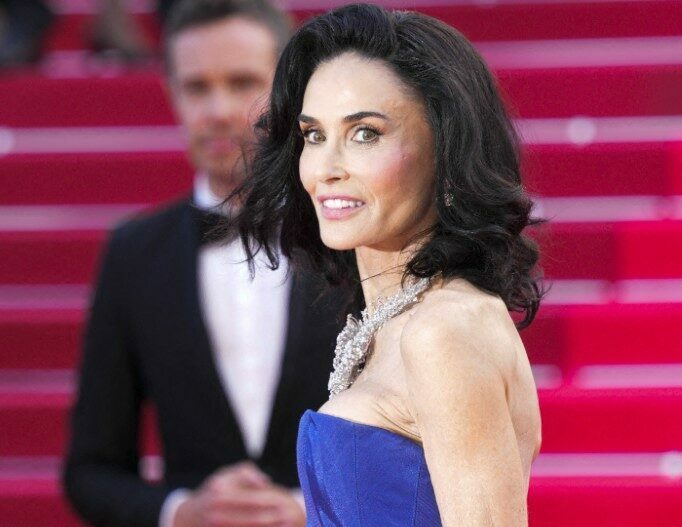
The few exceptions included films such as The Substance starring Demi Moore, Book Club: The Next Chapter with Diane Keaton and Freakier Friday featuring Jamie Lee Curtis.
While these actresses continue to demonstrate critical and commercial appeal, the industry still overwhelmingly associates leading roles, desirability and narrative power with youth.
Emma Thompson speaks out
British actress Emma Thompson strongly reacted to the study’s conclusions, calling attention to the lack of stories centered on older women.
“Women are half the population and we age. So where are the stories about us?” she asked.
Thompson also argued that older women are often more complex, experienced and interesting than the limited stereotypes Hollywood continues to offer.
Her comments echo longstanding criticism from actresses including Meryl Streep, Frances McDormand and Helen Mirren, who have repeatedly denounced the entertainment industry’s obsession with youth when it comes to female performers.
An economic contradiction
The findings also reveal a major contradiction within the entertainment industry.
In the UK, nearly one in five cinema-goers is over the age of 55, according to figures highlighted by the campaign. Public demand for stories featuring older women clearly exists.
A survey conducted alongside the study found that one-third of respondents believe there are not enough films centered on women over 60. Among female respondents, that number rose to nearly 40%.
Far from being a niche issue, representation of older women has become a broader cultural and economic question.
Ageism: the forgotten inequality
While diversity discussions in Hollywood increasingly focus on gender and ethnicity, age remains one of the least addressed forms of discrimination in the industry.
Research cited by Age Without Limits shows that women over 65 are significantly less represented on screen than men of the same age. When older women do appear, they are often portrayed as secondary characters, comic relief or passive figures disconnected from desire, ambition or power.
The result is a cultural invisibility that extends far beyond cinema itself.
Who gets to remain visible as they age? Who is still allowed to be powerful, desirable, funny or central to the story?
Changing the narrative
Recent successes suggest audiences are ready for change.
Michelle Yeoh’s Oscar-winning performance in Everything Everywhere All at Once, as well as acclaimed performances by actresses such as Isabelle Huppert, Annette Bening and Julianne Moore, demonstrate that stories led by mature women resonate globally.
Yet Hollywood continues to invest overwhelmingly in male-led franchises and youth-centered narratives.
The viral “Chris versus older women” comparison may appear humorous at first glance. But behind the meme lies a serious reflection on how society values women over time — and how culture continues to erase them from the center of the frame.
Because in today’s blockbuster landscape, it still seems easier to be a talking animal than a woman over 60.