
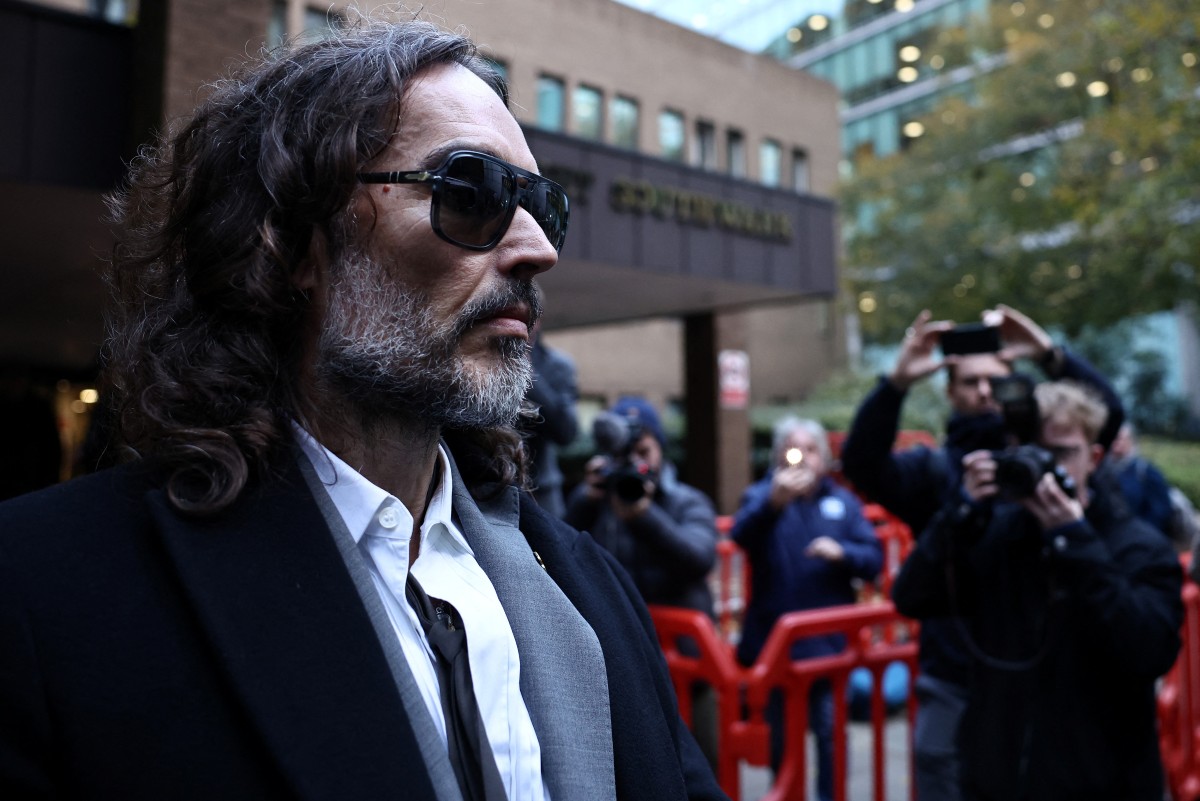


Russell Brand was sentenced to 10 years and six months in prison on November 9, 2026, after a London jury convicted him of raping one woman and sexually assaulting three others. The crimes took place between 2004 and 2009. The Metropolitan Police says detectives are assessing further reports, and on November 12, The Times published allegations of sexual misconduct from six more women.
The prison term covers the four offenses proved at trial. The newer allegations are separate from those convictions. The developments follow a case that began with a joint media investigation in 2023 and put Brand’s celebrity at the center of the judge’s account of why it took years for the offenses to come to light.
What the jury found and how the judge set the sentence ?
On November 5, a jury at Southwark Crown Court found Brand, 51, guilty of one count of rape and three counts of sexual assault after a four-week trial. Brand denied the charges. The jury acquitted him of two other counts of rape and one count of attempted indecent assault. The BBC reported the acquittals in its coverage of the verdict.
Justice Joel Bennathan imposed a nine-year sentence for rape. The three sexual assault sentences run concurrently with one another, with the longest, 18 months, served consecutively to the rape sentence. In his published sentencing remarks, Bennathan said Brand would serve two-thirds of the total term in custody before release on licence, meaning he could be recalled to prison if he breached its conditions. Brand will also be subject indefinitely to sex-offender notification requirements.
The judge explained that he had to assess the overall seriousness of crimes against four women over several years when deciding which sentences would run together. He confined that assessment to the offenses for which the jury returned guilty verdicts.
Bennathan reduced the rape sentence by one year after considering mitigation, including the time since the offenses and the evidence he had heard about Brand’s character. He said the seriousness of the crimes required immediate custody. The sentencing remarks make it possible to see how the judge reached the overall term and which findings the court relied on.
How a 2023 investigation led to the trial ?
The Metropolitan Police began investigating after Channel 4’s Dispatches, The Times and The Sunday Times reported allegations about Brand in September 2023. In his sentencing remarks, Bennathan said the coverage gave women the confidence to come forward about events that had happened years earlier. He also said Brand’s celebrity had helped shield him before the reporting appeared.
Investigators faced a practical challenge. The passage of time limited what they could recover digitally, and police said there was no CCTV or forensic evidence available. Detectives traced more than 100 witnesses, took more than 400 statements and examined over 1,400 documents, according to the Metropolitan Police’s account of the investigation. Historical photographs and floor plans helped investigators reconstruct locations and timelines.
The sequence explains why the 2023 reporting mattered to this case. It gave people a public point of reference and a reason to contact police. The resulting criminal investigation had to work through each allegation individually, establish what evidence remained and put a case before a jury.
What the four women told the court about the impact?
The four women at the center of the convictions did not know one another, the Crown Prosecution Service said. Their victim impact statements were read at the sentencing hearing. In those statements, the women described how the offenses had affected their lives over the intervening years. Three highlighted the support they received from the investigation team, according to the Metropolitan Police.
In its statement after sentencing, the prosecution service emphasized the demands that giving evidence and being questioned in court had placed on the women. The judge also acknowledged what it took to testify. The four women are entitled to lifelong anonymity.
That protection shapes how a case can be covered. Public attention can give people the confidence to report sexual violence while making it harder for those who testify to retain control over their personal information. In France, Gisèle Pelicot chose to be publicly identified during the Mazan trial. That was her decision. The women in the Brand case can have their experiences recognized in open court while their identities remain protected.
What police say about further reports ?
On November 10, the Metropolitan Police said several people had contacted detectives during and since the trial with information or potential criminal allegations, Reuters reported. Police said they were assessing the information as part of ongoing inquiries. Reuters also reported that detectives were already investigating two separate allegations of rape.
On November 12, The Times reported that six more women had made allegations of sexual misconduct against Brand. The newspaper said it had contacted his legal representatives for comment. How many of the accounts reported by The Times overlap with the information police say they have received remains unclear. The two reports describe different routes by which women have come forward, and their figures should be read separately.
The November 9 sentence is the outcome of the trial on the offenses committed between 2004 and 2009. What happens next in the ongoing inquiries will depend on what detectives can establish from the information they receive and whether prosecutors bring further charges.